
Innovations Hubs
Diverse and action-oriented agroecological initiatives grounding Agroecology-TRANSECT research in real-life practice
About
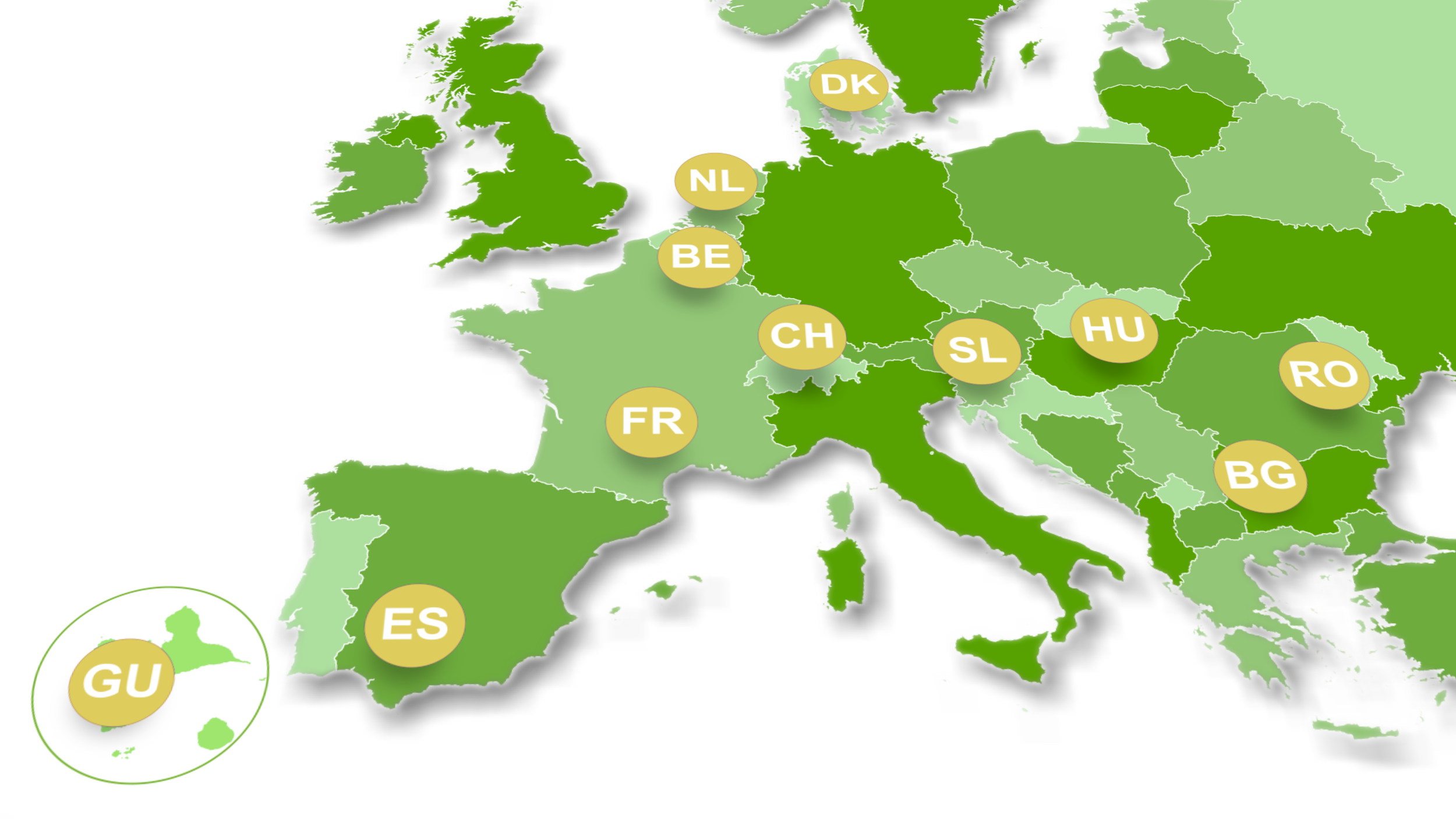
Across Europe, 11 Agroecology-TRANSECT Innovation Hubs bring together farmers, researchers, advisors, and communities to explore how agroecology can transform food and farming systems. Each hub reflects its local landscape, culture and challenges while contributing to a shared European movement for change.
The Hubs are living spaces for collaboration, experimentation and learning. They test practical agroecological approaches that work with nature, strengthen biodiversity, improve soil health and support resilient farming systems in the face of climate change. At the same time, they explore the social and economic dimensions of agroecology, from fair livelihoods for farmers to reconnecting communities with local food systems and traditional knowledge.
Innovations Hubs



Bio Danubius - Romania
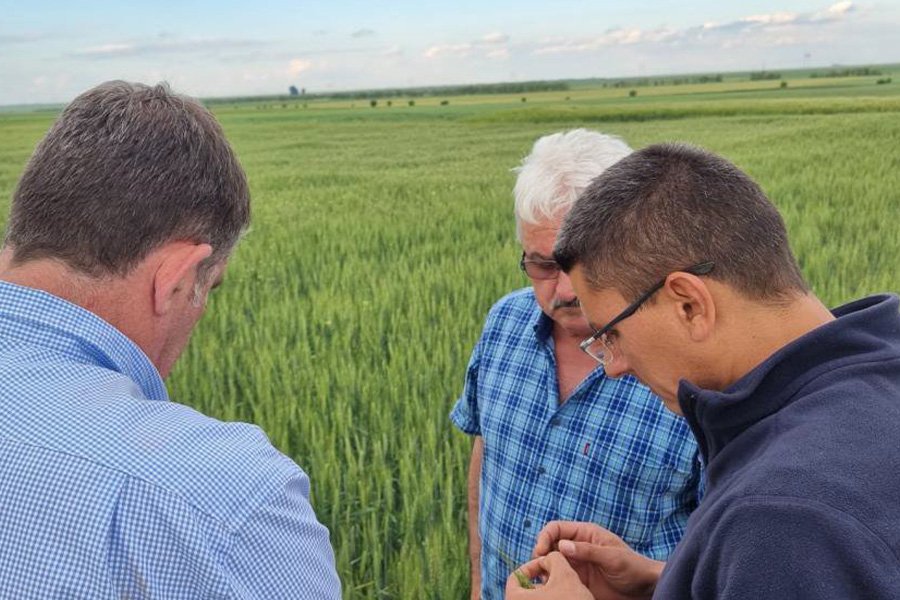
Bio Danubius, Romania Bio Danubius is an ambitious project working with farmers across the Danube delta in the far east of Romania, bordering Ukraine. The region has a strong identity as a natural park, so this innovation hub is building on this reputation by creating a voluntary certification system, Bio+, focusing on organic and agroecological farming principles, ensuring these high standards are recognised and rewarded appropriately.
Innovation Hub facilitator: Costin Lianu

Certified, diverse temporary grassland mixtures, Switzerland
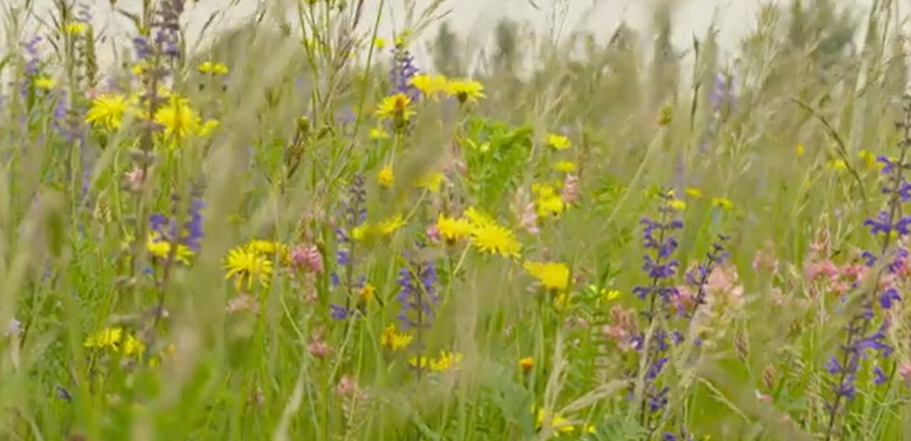
The certified grassland seed mixtures innovation hub, focused around the 3000-strong AGFF network in Switzerland, is promoting the best forage production adoption across diverse pastures at different altitudes. The ambition is to create mixtures that are well adapted for climate resilience, biodiversity enhancement, and socio-economic resilience at farm level.
Innovation Hub facilitator: Andreas Lüscher
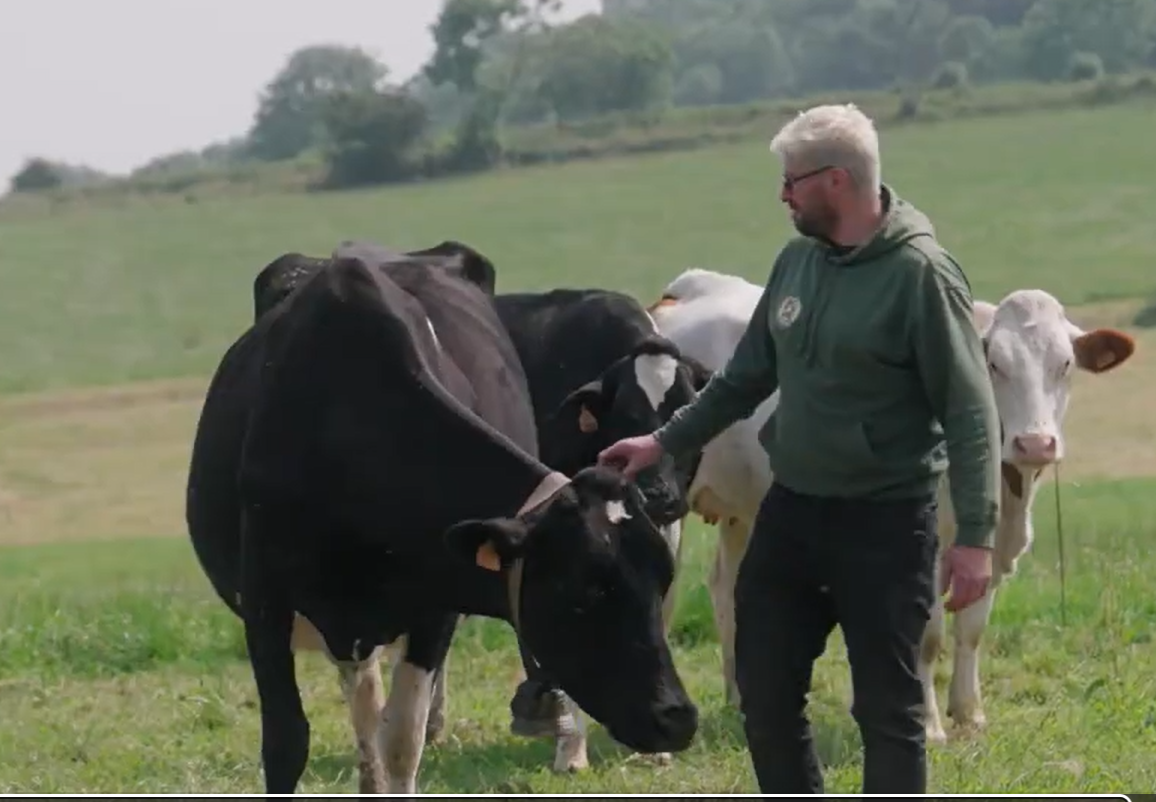

Coccinelle - France
Coccinelle was created to help bolster the dairy farming industry in France’s Massif Central. While grazing ruminants provides for local employment and products, and benefits for landscape and biodiversity, the region’s farmers and other agricultural stakeholders find themselves squeezed as views and demand for land changes. The solution? To collectively imagine, develop and test solutions for future eco-citizen dairy farming systems in this mountainous area.
Innovation Hub facilitator: Julie Duval; website: https://projet-coccinelle.hub.inrae.fr/
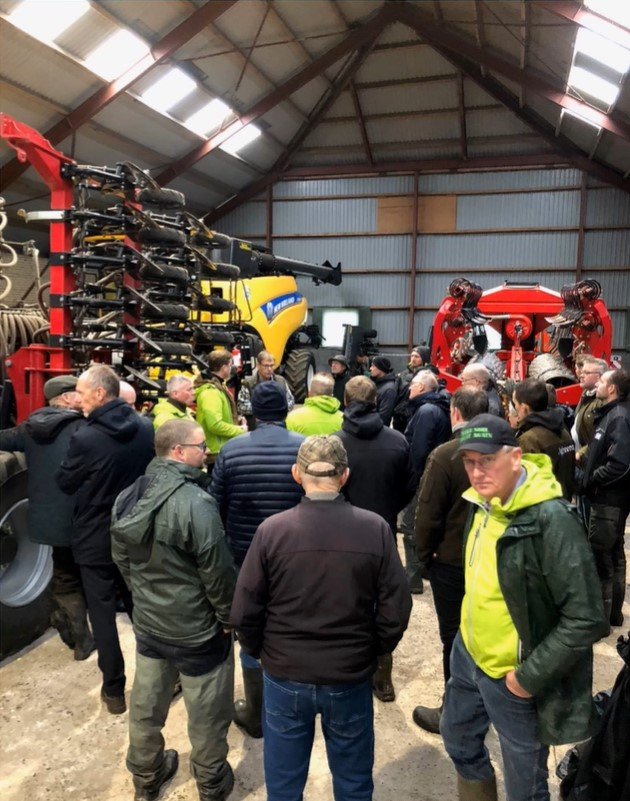
Conservation Agriculture Network - Denmark
The Danish innovation hub works to promote the wider adoption of Conservation Agriculture (and CA-plus, i.e. regenerative agriculture). We do this through a collaboration between Roskilde University, Agrovi and farmer peer groups, focusing on reduced-tillage and no-plough farming systems.
Innovation Hub facilitator: Henrik Kruse Rasmussen; website: https://agroviprojekter.dk/
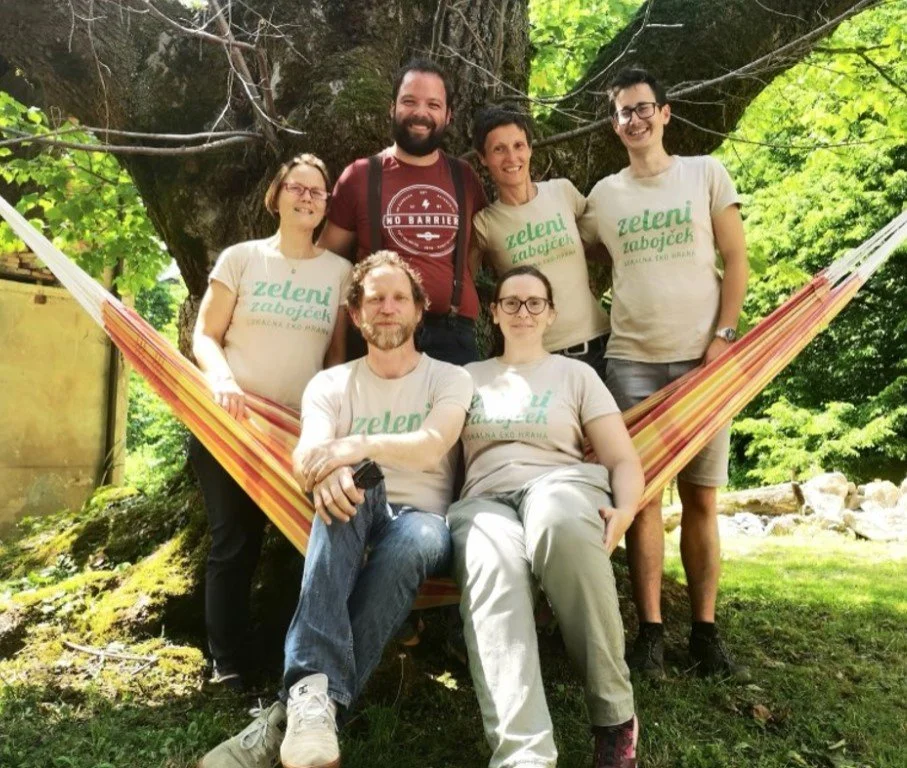
Green Box Čarna - Slovenia
Green Box Čarna delivers weekly organic veg boxes around their local area of Ljubljana in Slovenia. Not only do they help customers learn more about the benefits of a healthy food system, they also work hard to connect and facilitate knowledge exchange among their farmer network. In this manner, a decision support tool for efficient irrigation was developed. Current know-how around market gardening in Slovenia is being compiled and shared.
Innovation Hub facilitator: Alexandra Waldmann; website: https://zeleni-zabojcek.si/za/
High Nature Value Farming in Western Stara Planina - Bulgaria
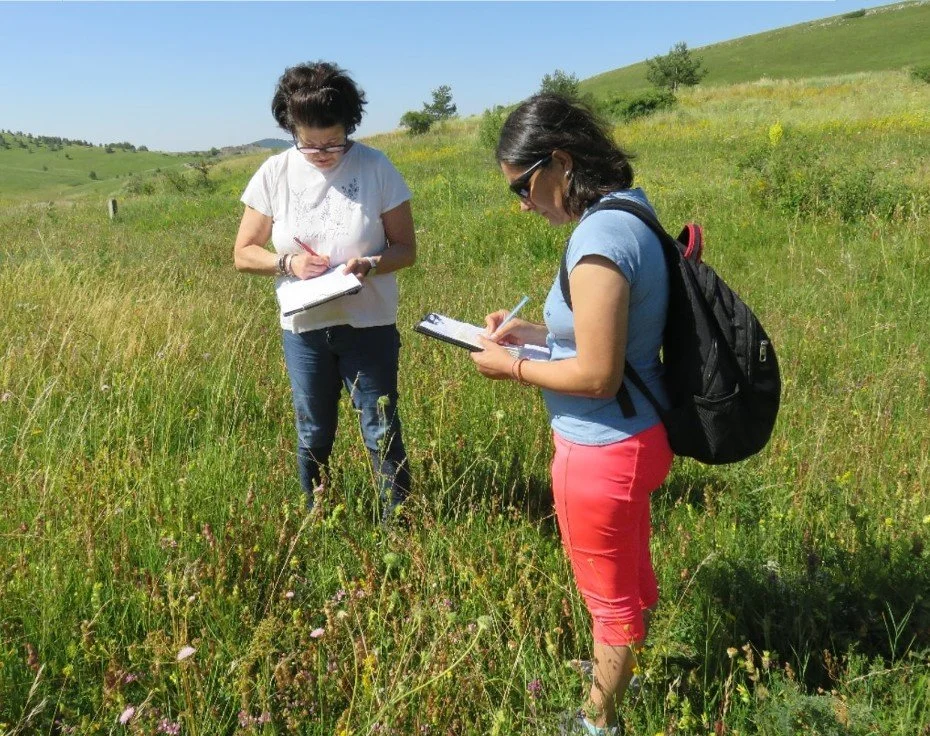
The Western Stara Planina innovation hub sits in north-western Bulgaria. It is a High Nature Value farming and forestry area with biodiversity richness of national, European and global importance. Geographically, it is close to Sofia. Its purpose is to create an environment where it is financially and socially possible to farm in harmony with nature, without further damaging this exceptionally beautiful mountainous region, rich in wildlife and flower rich pastures. The project works closely with the advisory service, research institutes and other NGOs, gaining the trust of local farmers and residents.
Innovation Hub facilitator: Vyara Stefanova; website: https://www.step-bg.bg/en
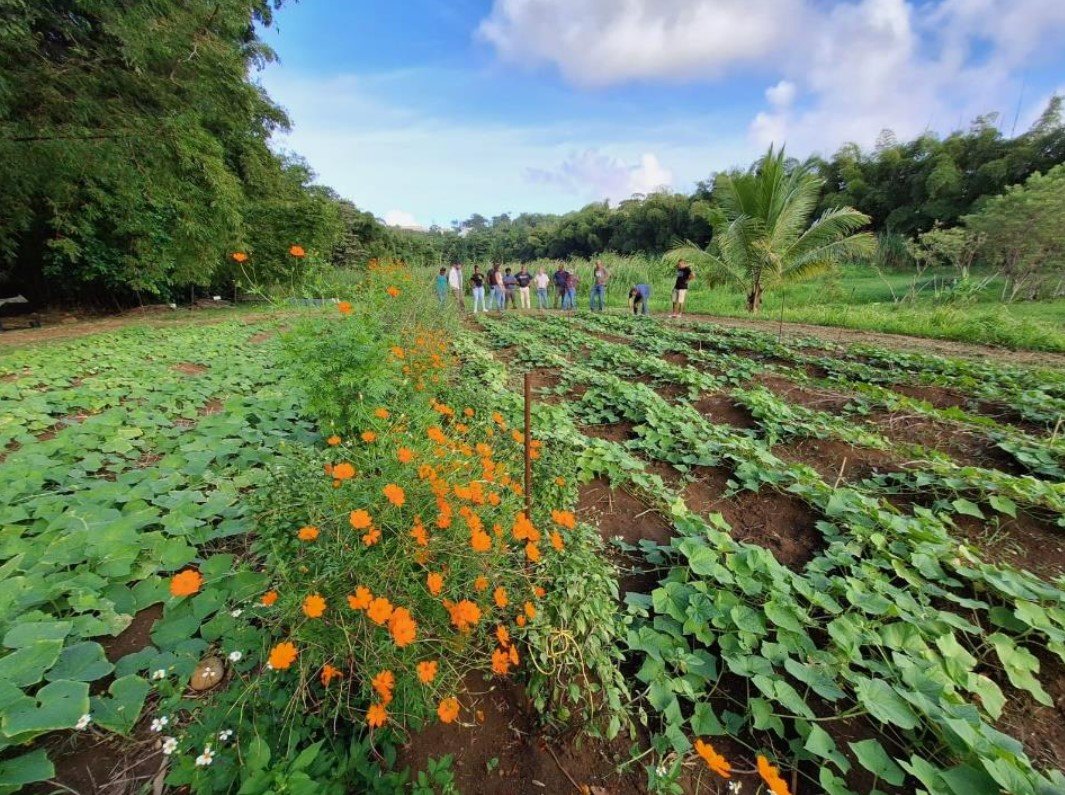
INRAE Guadeloupe - French West Indies
Exploring climate smart innovations in the French West Indies, this innovation hub focuses on two micro farms. AgroEcoDiv is integrating crops and livestock using agroecological practices in a closed loop system, while KaruSmart is experimenting with traditional and innovative techniques to see which methods perform better as issues related to climate change increase.
Innovation Hub co facilitators: Jean-Luc Gourdine and Carla Barlagne
Inspira Territorio - Spain
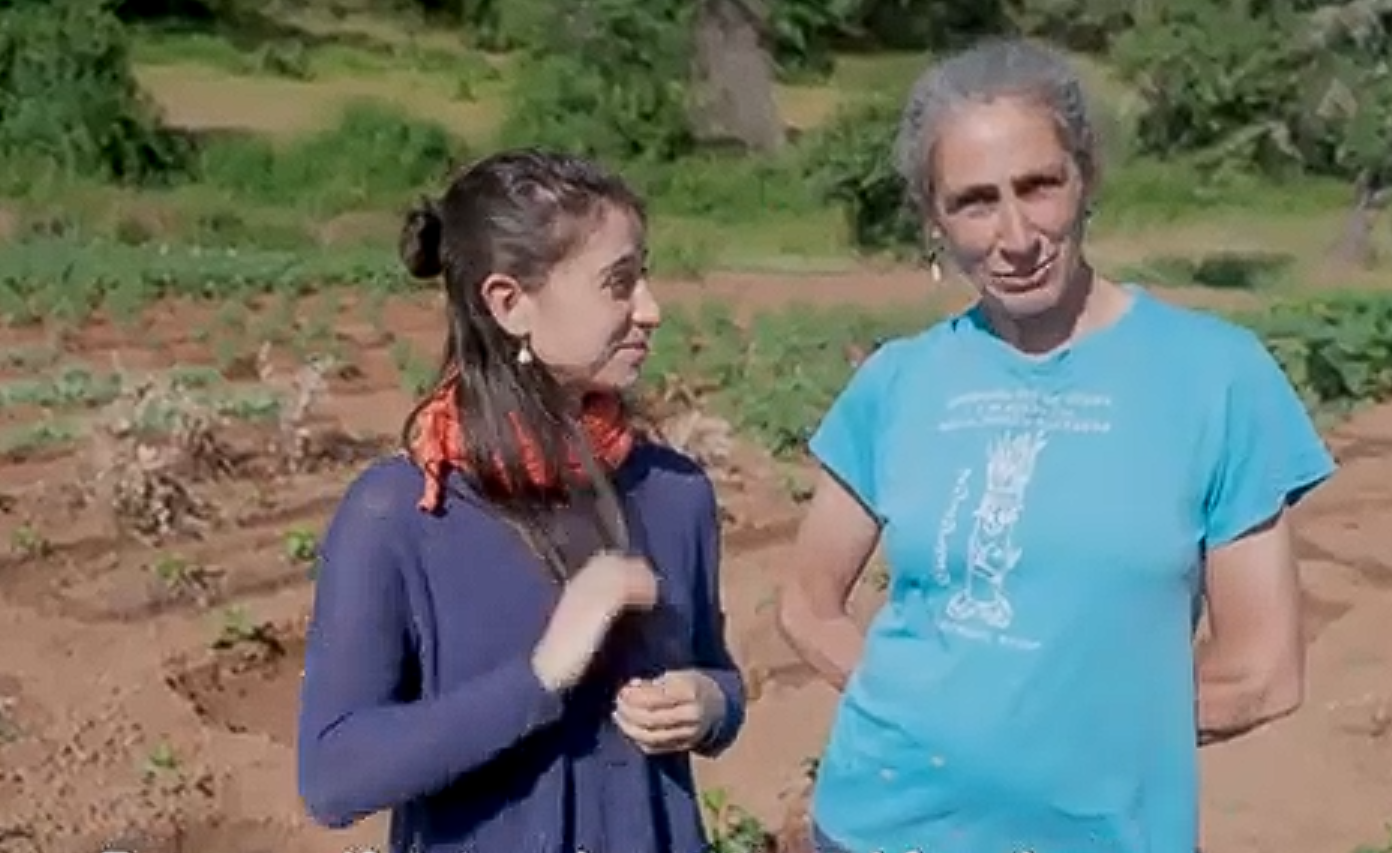
Part civil action, part community outreach, Inspira Territorio promotes the transformation of agri food systems in the Sierra de Aracena region of Andalusia in southwest Spain. The region is known for its low-input, small-scale farms, as well as for chestnut production. The area has strong rural communities and traditions, but finds itself increasingly threatened by prolonged periods of high temperature and ever-intensifying demand for land use from other industries and tourism.
Innovation Hub facilitator: Elisa Oteros-Rozas
Living Interrow - Hungary
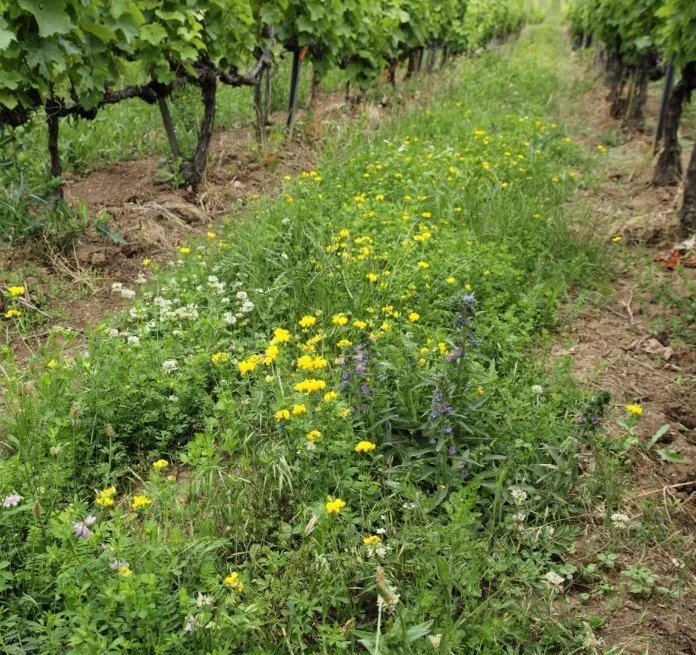
The mountains of north-eastern Hungary are becoming increasingly prone to extended periods of drought, so this innovation hub is looking at how cover crops can help protect soil and provide protection in the region’s vineyards and apple orchards. As well as improving soil health, the aim is to see what can be done to increase biodiversity, working with seed companies to determine which species provide the best overall climate-proof mix.
Innovation Hub facilitator: Tamás Miglécz

Organic and low till - Belgium
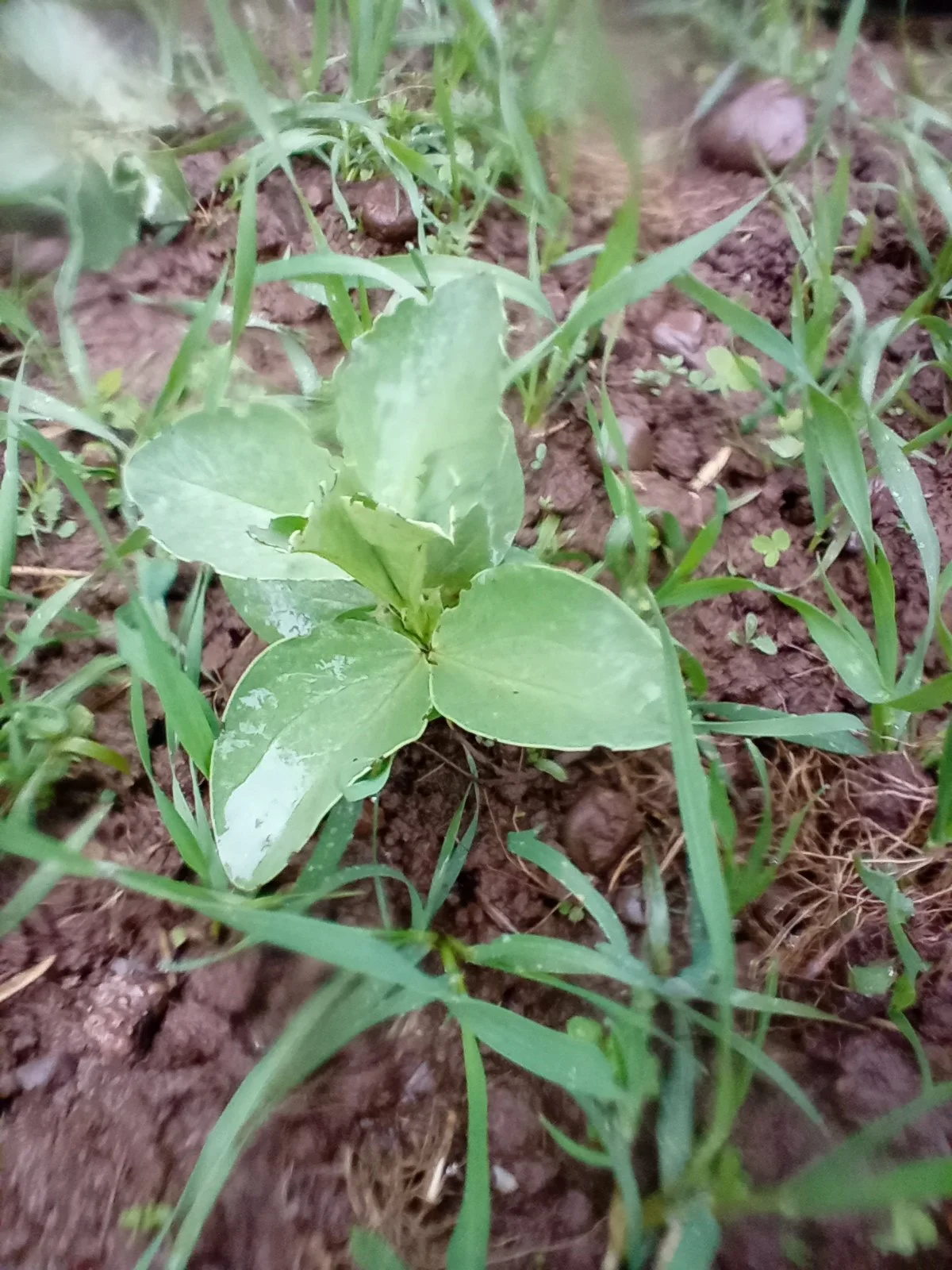
This Belgian-based innovation hub brings organic farmers, trying to reduce soil tillage together in learning networks to explore low till cropping techniques, while still paying close attention to weed control. Coming together to share on-farm experience and results, good and bad, has enabled practice-based innovation.
Innovation Hub facilitator: Adrien Swartebroeckx
Stripcropping Network - The Netherlands
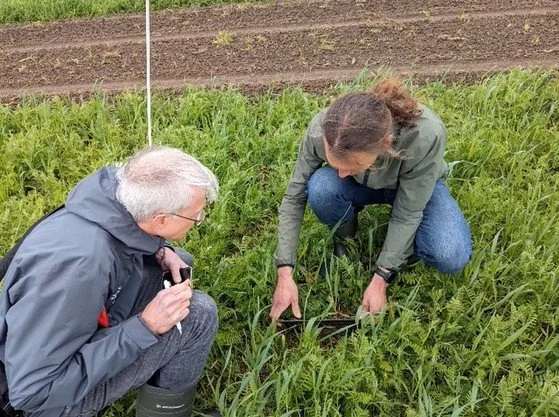
By ostensibly focusing on a single technique, strip-cropping, this innovation hub introduces both organic and conventional farmers to a host of other agroecological benefits inherent in reducing inputs. These include increasing biodiversity, improved farm profitability, access to support from the government of the Netherlands, and the ability to scale up production.
Innovation Hub facilitator: Maria van Boxtel
How were the Innovation Hubs selected?
The 11 Innovation Hubs are all pre-existing, action-oriented agroecological initiatives, rooted in their local areas, and represent the diversity of European agricultural systems and bioclimatic zones. What they have in common is their ripeness for acceleration, with scientific and practical research to back them up. This is what Agroecology-TRANSECT, with our platform, expertise, confidence and funding, gives them.

Explore Agroecology-TRANSECT