
About agroecology transect
Agroecology-TRANSECT aims to grow our understanding of a wide range of agroecological farming practices so they can be scaled up and scale out in Europe.

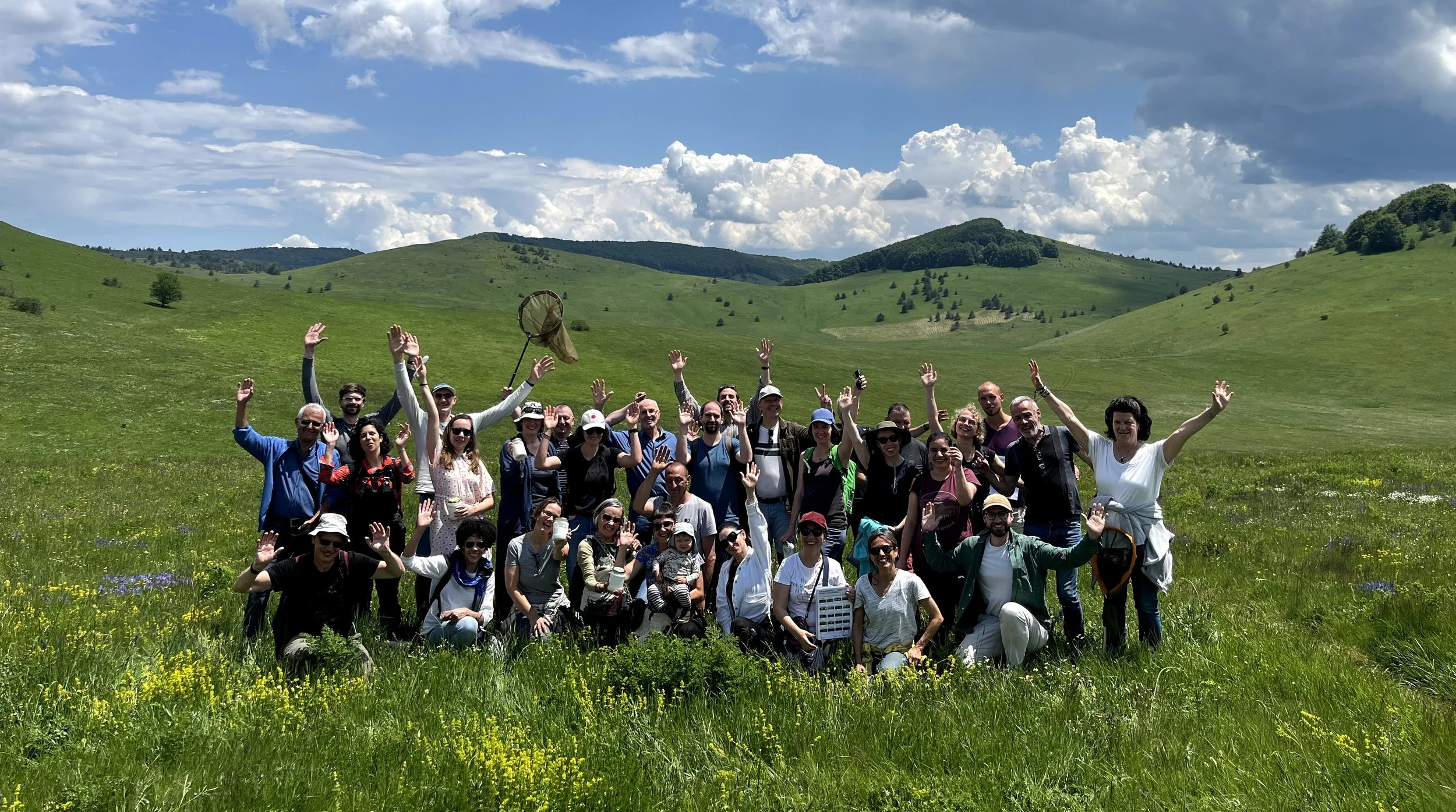
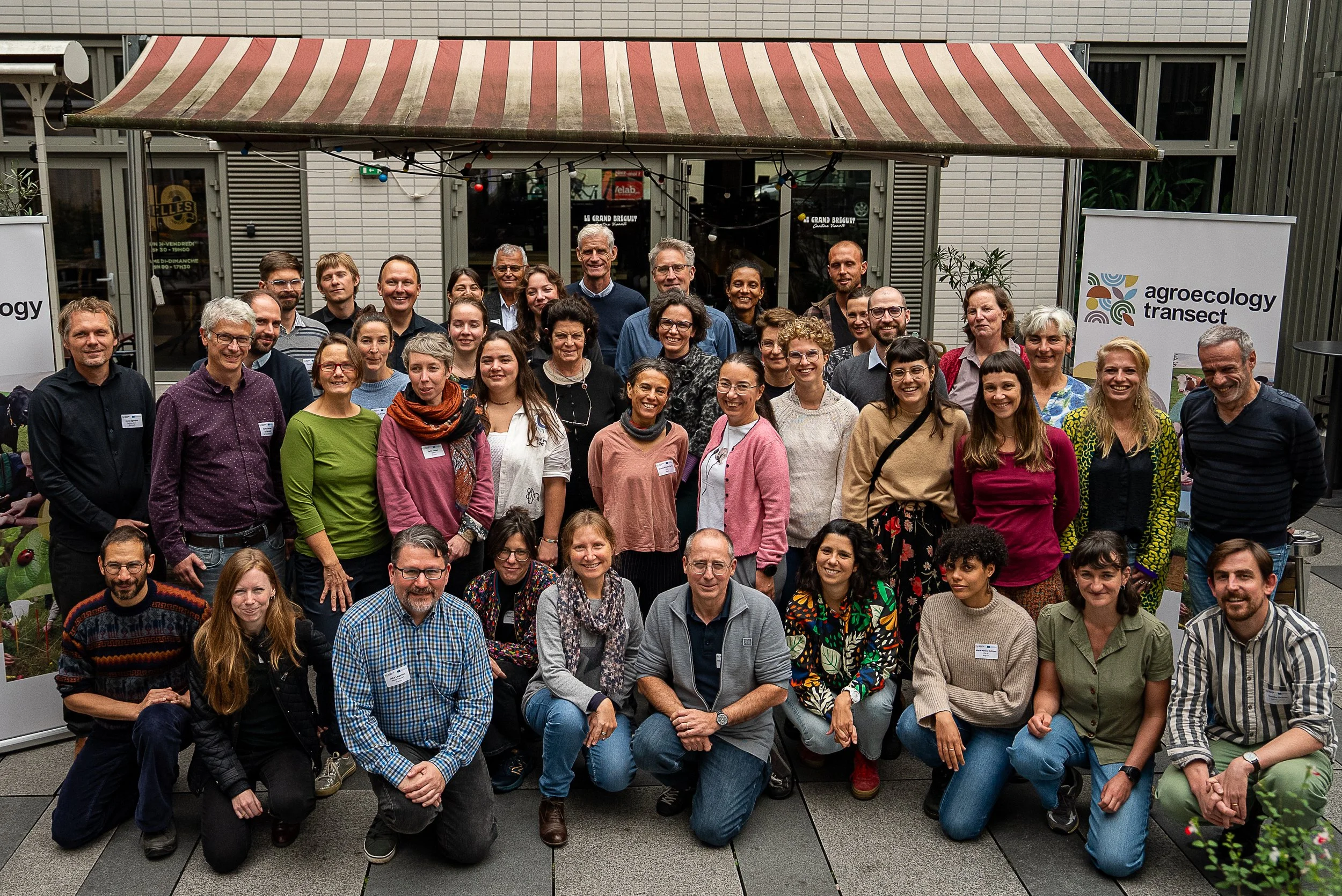
Agroecology-TRANSECT is a Horizon Europe project bringing together researchers, farmers, advisors, policymakers and civil society organisations from across Europe to support the transition towards more sustainable and resilient food systems through agroecology.
The project, which launched in 2022, has combined scientific research with practical experience through 11 Innovation Hubs across Europe, exploring how agroecological approaches can be scaled up and scaled out in different environmental, social and economic contexts. The project has now generated strong evidence demonstrating the benefits of agroecology for climate change mitigation and adaptation, biodiversity, soil health and socio-economic resilience, while highlighting the importance of collaboration, knowledge exchange and local action.
As the project concludes in August 2026, Agroecology-TRANSECT leaves a lasting legacy of research, tools, case studies and partnerships that will continue to support the development of fairer, healthier and more sustainable farming and food systems across Europe. See our Legacy Toolkit.
Key Messages
Agroecology delivers real benefit
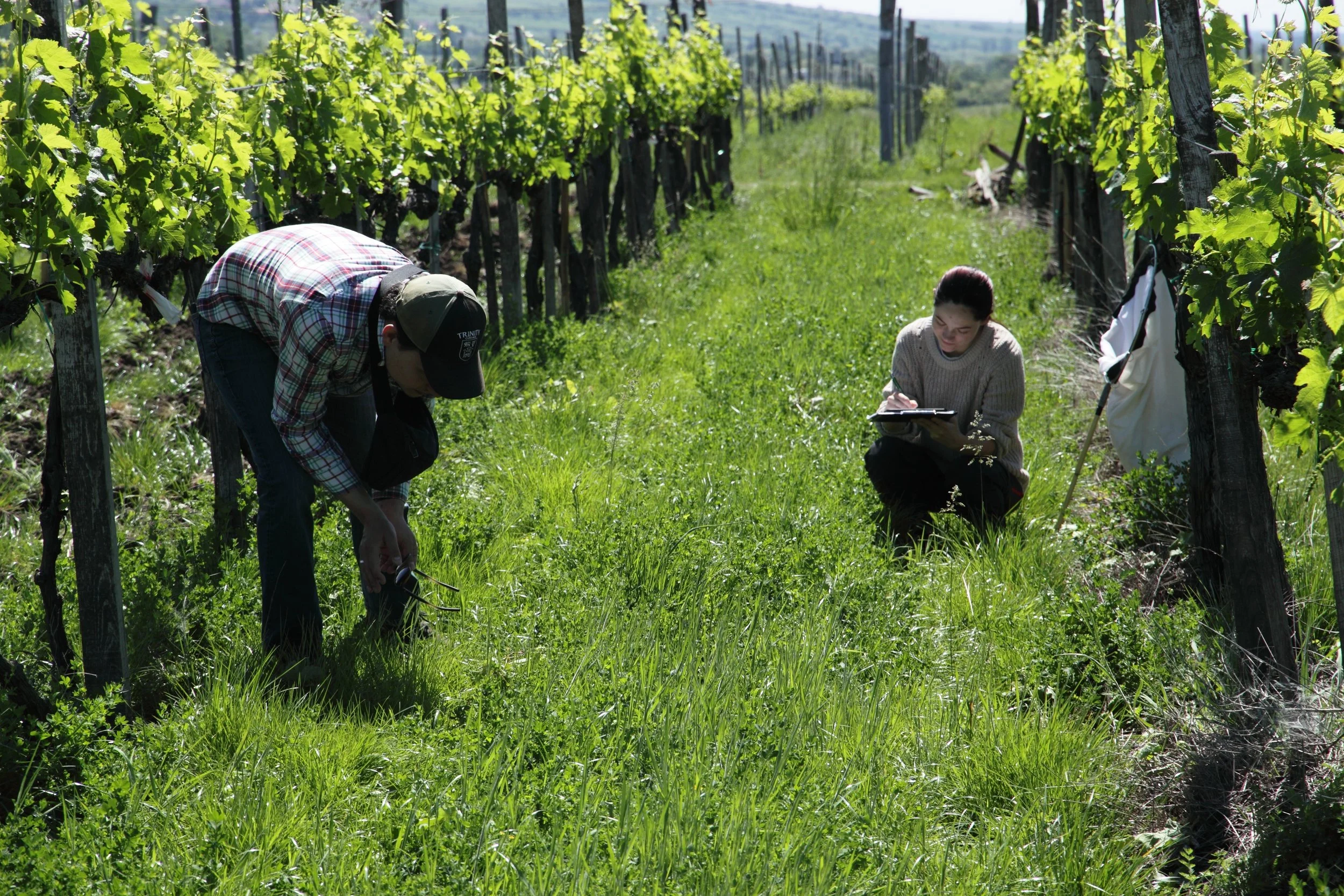
Across Europe, Agroecology-TRANSECT found clear evidence that agroecological approaches can support biodiversity, climate resilience and stronger rural livelihoods. From improving soil health and supporting pollinators to increasing resilience to climate and economic shocks, agroecology offers practical solutions to many of the challenges facing farming and food systems today.
Collaboration is essential for transformation

Protecting and realising the transformative potential of agroecology requires ongoing dialogue between farmers, researchers, advisors, policymakers and social movements. The project showed that bringing together different forms of knowledge and experience creates stronger solutions, deeper learning and more meaningful change.
Barriers can be overcome
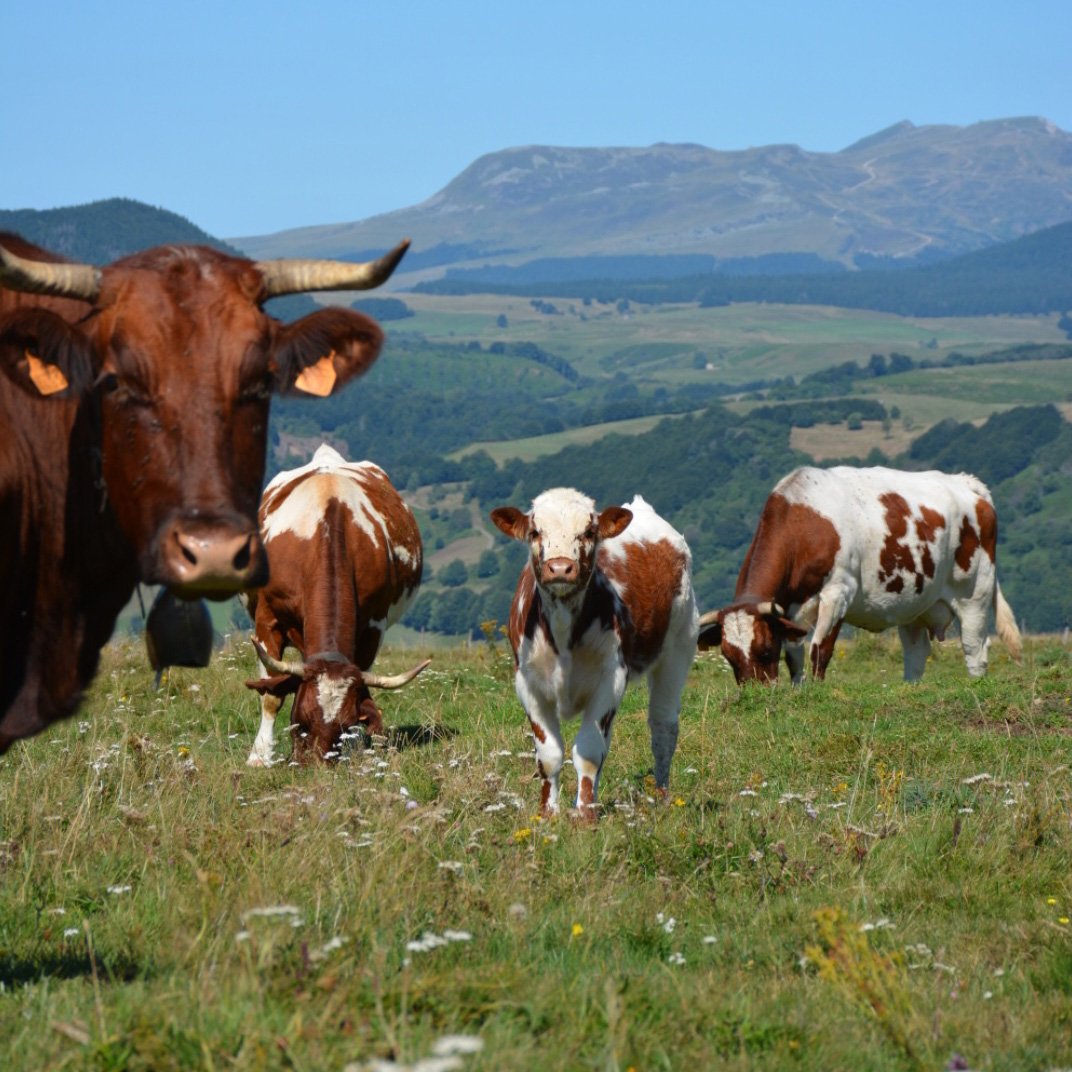
Many barriers, like policy gaps, market pressures and limited support structures, still stand in the way of wider agroecology adoption. The project identified strategic opportunities to overcome them. These include targeted policy support, better knowledge exchange and stronger networks can help scale up agroecological approaches across Europe.

Meet our partners
We are working in partnership with 19 academic, research and industry organisations across 12 countries.












Explore Agroecology-TRANSECT